Winning Through Better Card Management Techniques
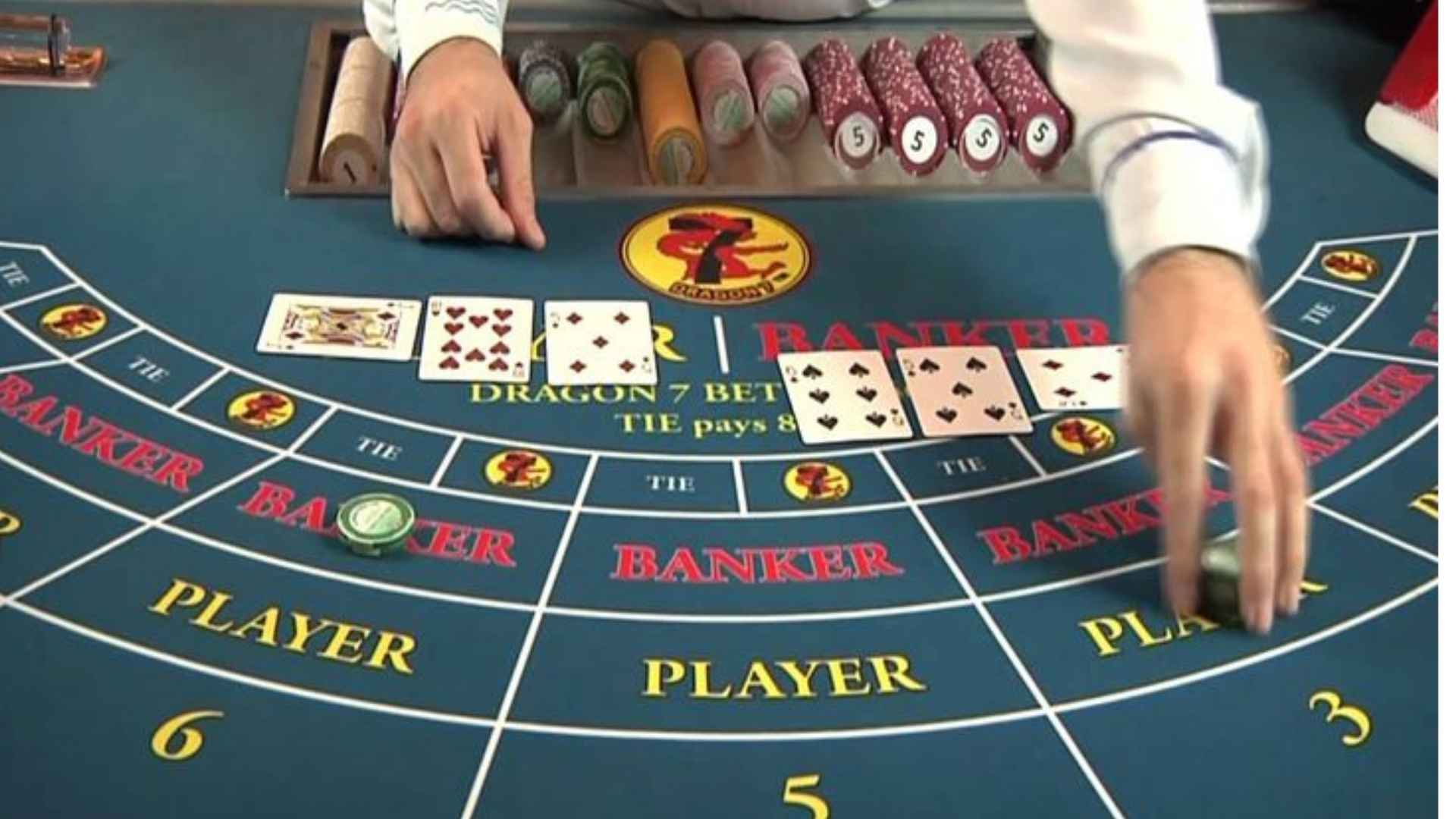
Success in competitive card games is rarely a product of pure luck or receiving the perfect deal. Instead, the most consistent players rely on systematic card management techniques to maximize their options and minimize unnecessary point losses during high-stakes matches.
The Foundations of Card Sorting
Properly organizing your hand from the very moment you receive it is the first critical step toward strategic clarity. Many seasoned competitors group their cards not just by suit, but by potential sequences, matching sets, and high-value cards that need to be discarded quickly. This simple organizational habit reduces cognitive load under pressure and prevents accidental discards that could benefit your opponents.
By sorting your hand dynamically as the game progresses, you can immediately identify missing links and assess your overall odds of victory. Keeping your arrangement flexible allows you to adapt to new card draws without giving away physical clues to other players at the table.
Tactical Discarding and Memory Training
Winning consistently requires a deep understanding of which cards to let go and when to release them safely. Dumping high-point cards early is a classic defensive tactic that mitigates potential penalties if another player declares their hand first. However, you must always balance this defense against the risk of feeding your opponent the exact card they need to win.
Developing a sharp mental tracker for discarded cards helps you decode what your competitors are building. If you want to refine your cognitive focus and practice these complex tracking methods, exploring a dedicated gaming hub like M88 esports can offer excellent exposure to competitive card formats. Memorizing which resources are out of play ensures you never waste time waiting for a card that can no longer be drawn.
Managing Risk and Deciding When to Drop
A crucial component of advanced card management is knowing how to mitigate damage when dealt a virtually unplayable hand. Elite competitors do not hesitate to drop out of a round early if the initial cards show poor potential for viable sequences or sets. Accepting a minor, predetermined penalty is always superior to risking a catastrophic score deficit at the end of the game.
This disciplined approach to risk management preserves your overall score standing across multi-round tournament brackets. Over the course of a long tournament, steady patience and defensive prudence will consistently outperform reckless aggression.
Developing Long-Term Tournament Habits
Mastering card management is a gradual process that demands structured practice, constant self-analysis, and strong emotional discipline. Reviewing your past performances helps you pinpoint specific moments where a mismanaged card cost you a vital round. Over time, these techniques become second nature, allowing you to focus entirely on reading table dynamics and outsmarting your opponents.
By treating every match as a series of calculated decisions rather than a test of luck, you elevate your skill set significantly. Consistently executing these management habits is what ultimately separates recreational players from true champions.